

Lab Havoc
Play other games



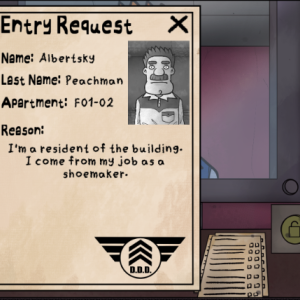

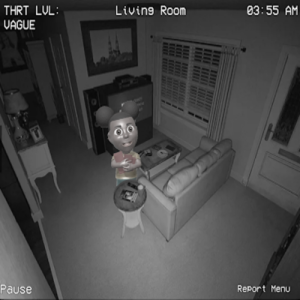

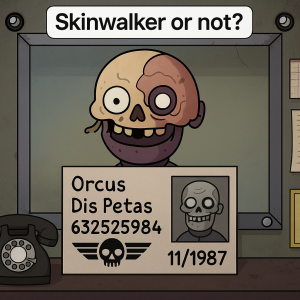







What is Lab Havoc?
Lab Havoc is a physics-based sandbox where you design deadly trap setups and test them on incoming clones. Unlike many destruction games that rely on random explosions, this one rewards smart placement, timing, and chain reactions—more like solving a creative puzzle than pure chaos.
How to Play
- Place traps and weapons inside the chamber
- Start the simulation to release clones
- Trigger combos to maximize destruction and score
Goal: Build efficient trap systems that create the biggest chain reactions.
Hardest Challenges
- Creating consistent chain reactions instead of random outcomes
- Managing space when too many traps interfere with each other
- Predicting clone movement across complex multi-layer setups
Best Tips for Beginners
Start small, then scale up
Placing too many traps at once often breaks your combo flow. A 2–3 trap setup is easier to control and optimize early on.
Use “entry traps” first
Always place your strongest trap near the spawn path. Early damage sets up better chain reactions later.
Combine slow and fast damage
Example: use acid or lasers (constant damage) with explosives (burst damage). This layering dramatically increases the total score.
Force movement with bounce mechanics
Bounce pads or angled traps can redirect clones into multiple hazards. This is key to creating high-efficiency loops.
Adjust positioning by tiny amounts
Small placement changes (even a few pixels) can completely change outcomes. Don’t rebuild—fine-tune instead.
Experience
From real play sessions, Lab Havoc feels less like a destruction game and more like a sandbox puzzle with physics chaos. Early setups are fun but messy—most players just drop everything randomly and hope it works.
The turning point comes when you realize that placement order matters more than quantity. One well-placed combo can outperform a fully packed room.
Unlike many sandbox destruction games, Lab Havoc rewards precision and planning instead of pure randomness.
Show more »
All free games for you



















Discuss: Lab Havoc